Independent Travel Guide · Riviera Maya, México

Discover Xcaret, Mexico's Living Eco-Park

An unbiased visitor resource for one of the Yucatán Peninsula's most ambitious nature and heritage parks — cenotes, underground rivers, Mayan culture, and the Mexican Caribbean coast, all in one place.

About This Guide

A frank look at one of the Riviera Maya's signature destinations

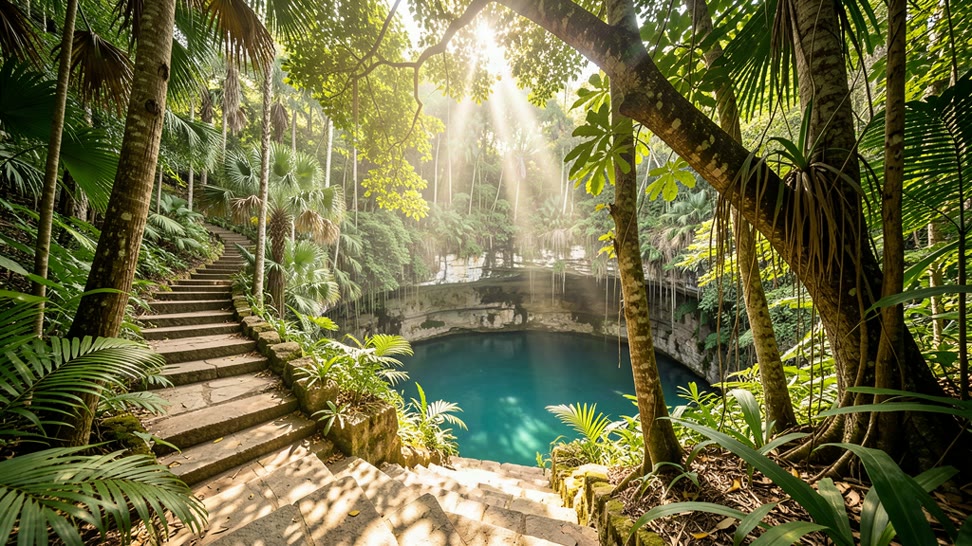
Xcaret sits on the Caribbean coast just south of Playa del Carmen, where a chain of limestone caves feeds natural swimming holes and kilometers of navigable underground rivers. The park has grown into a sprawling mix of nature trails, cultural exhibits, snorkeling lagoons, and evening entertainment that draws over a million visitors a year.

This site is not affiliated with Xcaret or any tour operator. The goal is to give you a clear-eyed look at what the experience is actually like — what to prioritize, when to go, and what to expect at the gate — so you can plan a trip that suits your pace and budget.

365 Days a year
200+ Acres of jungle & coastline
6 Km of underground rivers
8 Natural swimming cenotes
Visit Highlights

Eight things that make Xcaret worth the trip

An overview of the signature experiences you can have inside the park — and which deserve a place on your itinerary.

Underground Rivers

Floating through Mexico's underground rivers

The park's signature activity: snorkeling and floating along thousands of meters of natural cave waterways, fed by cenotes and limestone filtration.

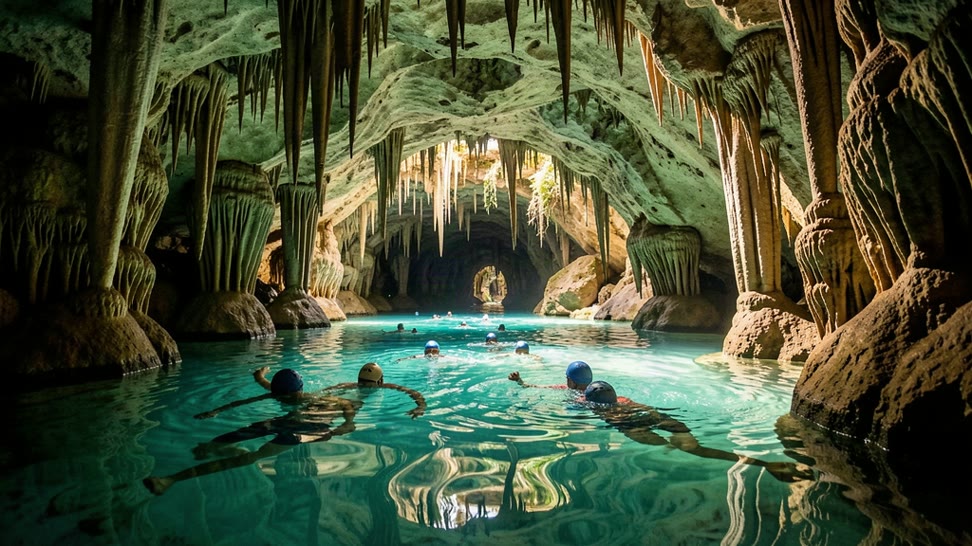
The underground river circuit is the heart of any Xcaret visit. You enter at one of three entry points, pick up a flotation vest and a snorkel mask, and drift through roughly 600 meters of cave passages before exiting into a sunlit lagoon. The water is cool, clear, and unusually still — there are no rapids, no currents, and the route is roped off for safety.

Total swimming distance exceeds a kilometer if you link the two branches. Most first-time visitors take one branch (about 45 minutes) and come back another year to do the other. If you are not a confident swimmer, ask for a life vest at the entrance — every visitor gets one free.
Mayan Heritage

Walking the Polé and the park's Mayan trail

Reconstructed archaeological ruins, a small but well-executed Mayan village, and a working ballcourt that comes to life for evening performances.

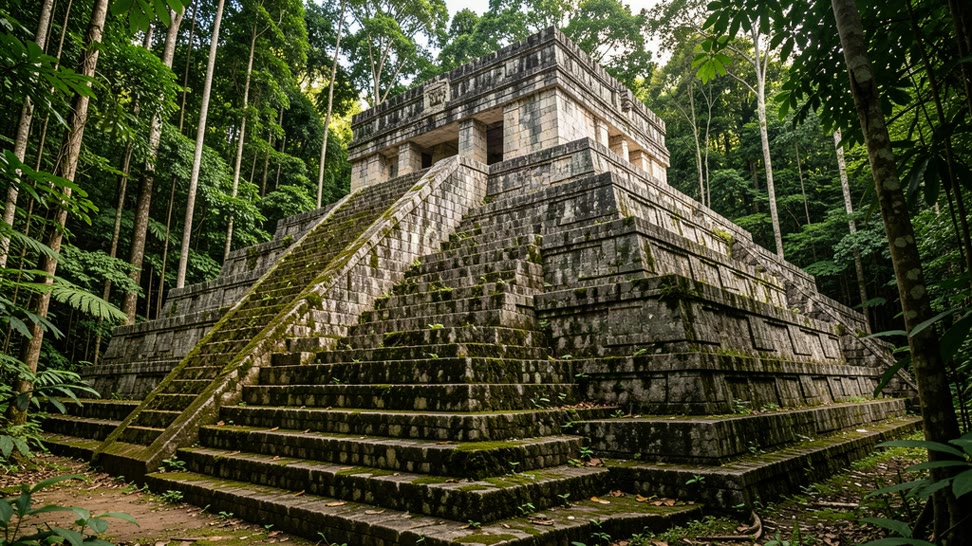
Xcaret's heritage zone is anchored by the Polé, a partially reconstructed Mayan pyramid in the jungle interior. Climbing is not permitted on the original structure, but a reproduction stairway runs alongside it, letting you ascend to the same height for the view.

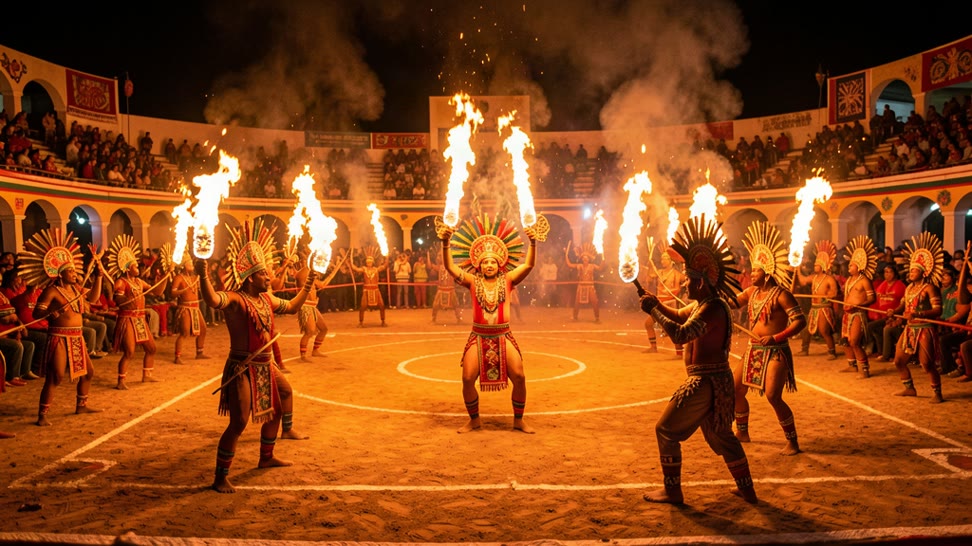
Further along the trail you will find a traditional Mayan village with thatched-roof homes, a cenote of its own, and artisans demonstrating chocolate-making, weaving, and beekeeping. The ballcourt hosts nightly re-enactments of the Mesoamerican ballgame — a ritual sport that predates the Aztecs.

Cultural Shows

México Espectacular and the evening performance line-up

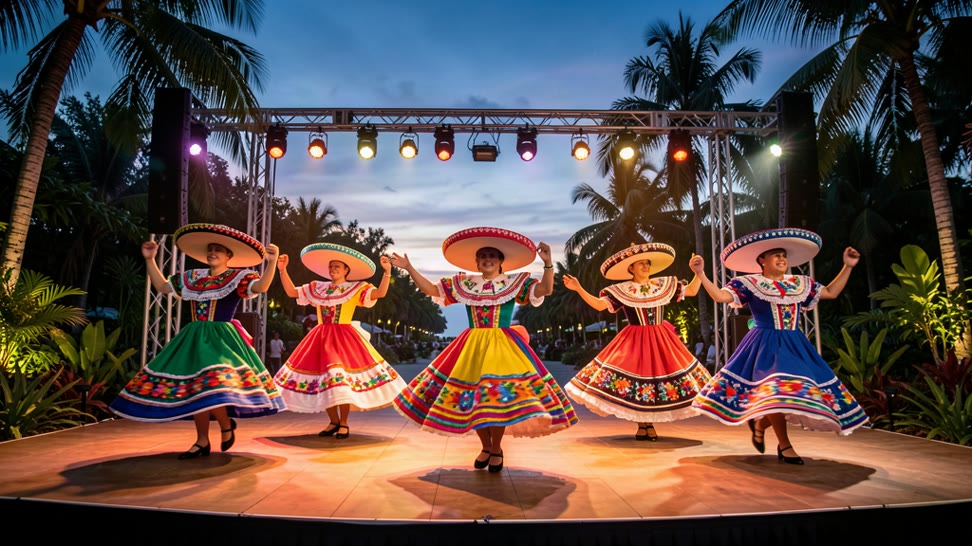
Two hundred performers, traditional costumes from every region of Mexico, and a 360-degree theatrical staging that culminates in a performance of the voladores.

The headline evening show is Xcaret México Espectacular, performed in an open-air stadium that seats over 1,800. The production runs roughly 90 minutes and travels through Mexican history — pre-Hispanic rituals, the colonial period, the Mexican Revolution, and modern folk traditions.

Tickets to the show are included with park admission. Seating is assigned, but the highest category tier sells out first. If you want front-section seats, request them when you buy your entry ticket online — the on-site booth rarely has them after midday.

Snorkeling & Reef

Snorkeling the in-park lagoon and the adjacent reef

Calm, family-friendly snorkeling within the park's protected lagoon plus boat-run reef excursions to the outer coast.

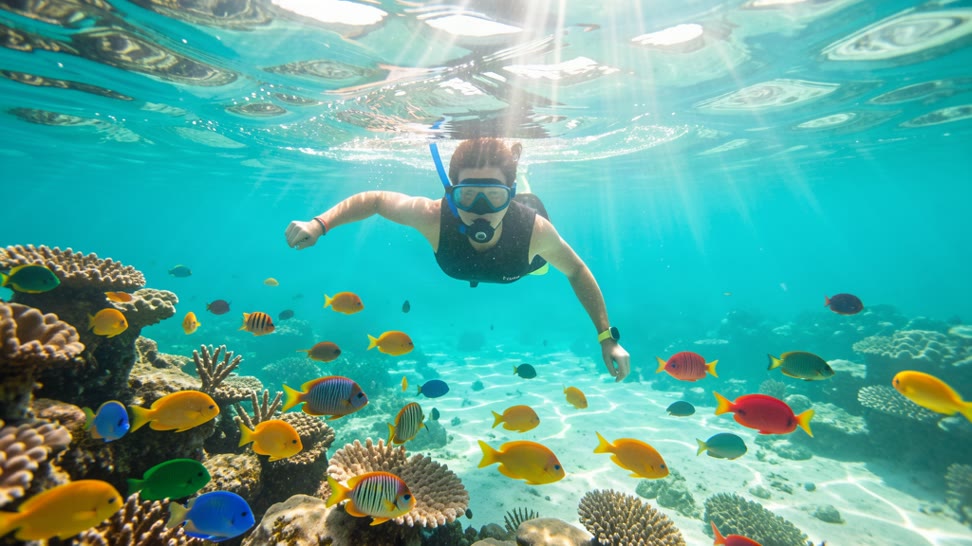
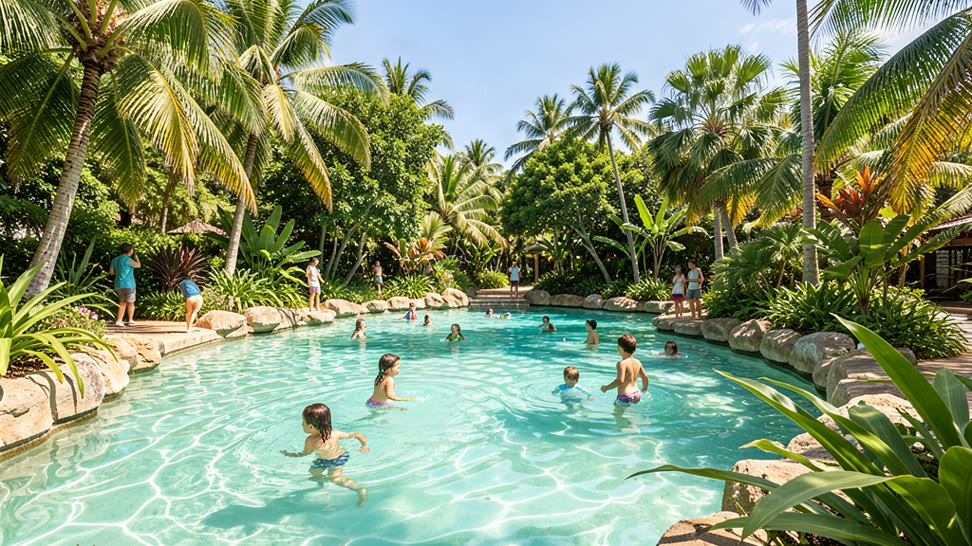
The in-park snorkeling lagoon is shallow (most of it is waist-deep), protected from currents, and seeded with tropical fish that have been habituated to visitors for decades. It is an exceptionally gentle introduction to Caribbean reef fish for children and for adults who have never snorkeled.

For something deeper, the park offers a guided boat trip to the outer reef. Visibility is typically 15–25 meters, and you can expect to see parrotfish, sergeant majors, and the occasional sea turtle. The boat trip is an extra-cost add-on and has a separate itinerary slot.

Night Show

The full evening: from sundown to the final voladores

How to plan the five hours after the park gates close to daytime visitors — accommodations, dining, and the show itself.

Xcaret operates on a dual-entry model: a daytime admission that ends at roughly 17:30, and an evening-only admission that grants access to the show after 19:00. Most first-time visitors opt for the full-day ticket and stay through the show, but the evening-only entrance is a good value if performance is all you came for.

Dining inside the park before the show is convenient but pricier than restaurants in Playa del Carmen. Two hotel-zone buffets sit near the theater entrance and serve Mexican regional cuisine from a dozen states. Booking a reserved table in advance is recommended during high season.

Food & Cuisine

Eating well at Xcaret — and where Cancún and Playa del Carmen fit in

On-site restaurants, regional specialties to try, and the surrounding town's stronger dining scene you can sample before or after the park.

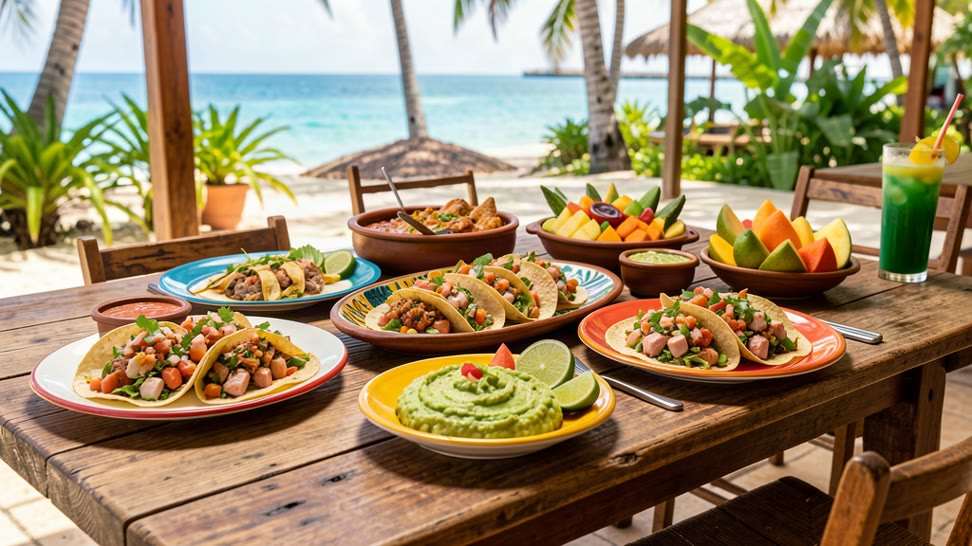
On-site dining runs the gamut from quick taqueria stands near the lagoons to a higher-end restaurant overlooking the Caribbean. The taqueria offerings — cochinita pibil tacos, pork in achiote, quesoadillas served with salsa habanera — are accurate to the region and reasonably priced for a theme-park setting.

Outside the park, the Riviera Maya's food scene is much more competitive. In Playa del Carmen, fifth avenue (Quinta Avenida) has dozens of family-run restaurants serving Yucatecan specialties. In Cancún's hotel zone, the restaurants tied to the larger resorts pull a more international crowd but also serve some of the best traditional Mexican food in the region.

Wildlife

Birds, butterflies, and the park's butterfly pavilion

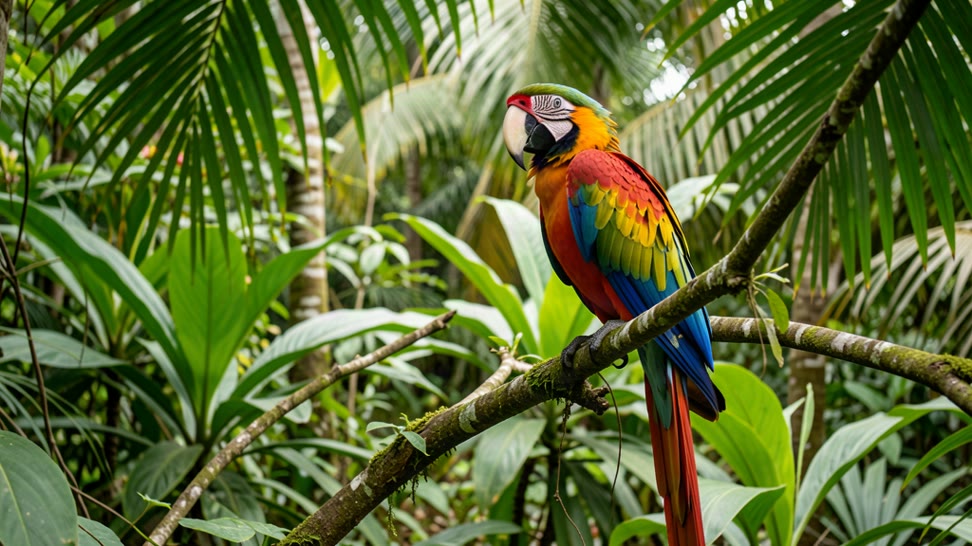
An aviary, a walk-through butterfly pavilion, a manatee habitat, and the dense population of parrots and macaws that punctuate a visit.

The butterfly pavilion is one of the most photographed spots in the park. Tropical species that would rarely be seen in the wild at this density fly within arm's reach through a controlled environment. It is particularly striking for visitors from colder climates where butterfly farms are uncommon.

The aviary next door houses rescued and habituated native birds — macaws, toucanets, and a handful of smaller songbirds. The manatee enclosure at the far end of the park is more controversial: conservation messaging now strongly favors wild sanctuary observation over captive breeding programs.

Family Travel

Doing Xcaret with kids — pacing, strollers, and what works for under-10s

Strollers are allowed, children under four enter free, and several zones of the park are designed for the under-10 crowd specifically.

Parents with young children tend to follow a predictable pattern at Xcaret. Most arrive at opening, work the upper jungle and lagoon zones through the morning, break for an early lunch near the main plaza, and then spend the afternoon in the family-focused zone where the kids' beach, splash pads, and the children's park sit.

The hardest part of any park day with kids is the wait at the gate. Tickets purchased online in advance let you skip the ticket-booth line but not the security line, which can run 20–45 minutes in peak season. Plan to arrive before 9:00 to clear the line before mid-morning peak.

Visitor Tips

Practical guidance from a number of repeat visits

A collection of small but useful details that tend to come up after the first time through the park.

Buy tickets online in advance

The on-site ticket booth routinely runs out of the highest-tier admission categories during high season. The online storefront lets you lock in your entry date, your meal package, and your show seating tier in advance — and refundable if plans change.

Wear water shoes — everywhere

Rough limestone surfaces line every walkway from the entrance to the cenote platforms. Tennis shoes become waterlogged in fifteen minutes. Closed-toe water shoes or thick-soled sandals are the right footwear for the river routes, the lagoon, and the wildlife pavilions.

Bring a dry bag for the river

Everything you take on the river route goes in a flotation vest's tiny waterproof pocket or in a rented dry bag. Phones, wallets, and room keys are easy prey for splash zones. The park rents dry bags at every river entry.

Plan for the line at the gate

Even with pre-purchased tickets, the security screening runs 20 to 45 minutes during peak weeks. Arriving before 9:00 generally clears security before the crowds surge, and you get an hour of quiet walking inside the park before the rest of the day-trippers arrive.

When to Go

Choosing your visit month by weather and crowd

The Riviera Maya has two clear peaks — Christmas/New Year and Semana Santa — and a long, pleasant shoulder season that suits most travelers better.

Dry Season

November — April

Lower humidity, almost no rain, and warm but not punishing temperatures. This is peak season — book in advance for any visit between December 26 and the first week of January.

Wet Season

May — October

Warmer temperatures and frequent short tropical showers. Crowds drop sharply between mid-August and mid-November, and many hotels cut their rates. Hurricane probability is real but the direct-hit rate on this stretch of coast is low.

Shoulder Spring

Late February — Mid March

The single best window for most travellers: weather is dry and warm, crowds are at their trough between the Christmas and Semana Santa peaks, and most tour operators will negotiate.

Holiday Peak

Late December & Semana Santa

The two worst weeks — and the two best weeks if you want energy and crowds. Book accommodation months in advance and expect every Riviera Maya road to be slow by mid-morning.

Common Questions

Questions readers ask most often

Plan for a full day. Most visitors arrive at opening (9:00) and stay through the evening show that ends around 21:00. A rushed half-day visit misses both the river experience and the headline performance.
The main pathways and most of the park's show venues are accessible by wheelchair. The underground rivers, the cenote ladders, and the upper jungle trails are not — visitors with mobility needs should plan their day around the lagoon, the pavilions, and the evening theater.
Light snacks and water bottles are permitted. Larger meals and alcoholic beverages are not — the park operates a number of on-site restaurants and bars, and outside catering is restricted.
Tickets purchased directly from the park's online storefront are refundable up to 48 hours before the visit date. Tickets purchased through resellers or travel agents carry the reseller's cancellation terms.
No. The park operates a strict no-drone policy to protect the native bird population and to avoid aerial incursions near the cultural performance zones.
For visits during the dry season peak weeks, three to four months ahead is not too early. For shoulder months, two weeks is usually fine. The hotels in Playa del Carmen fill up faster than the all-inclusive resorts located further north along the coast.
The cenotes inside the Xcaret property are well-maintained and staff-supervised. Outside the park, cenotes are also generally safe but should be visited with a local guide who knows the water conditions of each specific site.